-
 Advocates for small-scale farmers and for people facing food insecurity are both pushing the state for more funding as federal cuts hit hard on all sides of the farm-to-table supply chain.
 -
 A regenerative agriculture training program for new farmers on the Central Coast. And, a new bill making its way through the state legislature aims to reduce the number of wild animals hit by cars.
 -
 Central Coast residents and public officials respond to the sexual assault allegations against César Chávez. And, a look at the challenges facing farmworkers today and how the legacy of the United Farm Workers shows up more than 60 years after its founding.
 -
 An analysis by The California Newsroom — a collaborative of public media outlets, including NPR — found over 65 locations in the Golden State bearing the name of the late labor leader.
 -
 The cost of nitrogen fertilizer has been going up due to the U.S. and Israel’s war on Iran, Monterey County honors victims of COVID-19, a new book meticulously explores a 2019 Santa Cruz murder.
 -
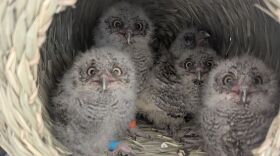 SPCA Monterey County Wildlife Rescue and Rehabilitation Center is caring for five baby screech owls after their tree was cut down. Plus, a new report highlights challenges Latino and Indigenous farmworkers face in the Salinas Valley.
 -
 San Benito County adopts a temporary moratorium on battery energy storage facilities. And, the U.S. and Israel’s war on Iran has increased nitrogen fertilizer costs as the spring planting season gets underway—are more conservation-minded farms insulated? Plus, Cal State Monterey Bay president Vanya Quiñones is stepping down.
 -
 A workshop at the Esalen Institute in Big Sur, organizing efforts from the California Nurses Association, and the expansion of Big Basin Redwoods State Park.
 -
 A draft version of a new farm bill would bring back a popular program that helps local fruit and vegetable growers, but overall, bigger farms would benefit most. And, California is partnering with the United Kingdom to develop clean energy projects.
 -
 Para muchos residentes, limitar el uso de fertilizante nitrogenado en los campos del Valle de Salinas es necesario. Para ellos, la regulación es la única manera de detener la contaminación del agua subterránea.

© 2026 90.3 KAZU

Play Live Radio
Next Up:
0:00
0:00
Available On Air Stations


