-
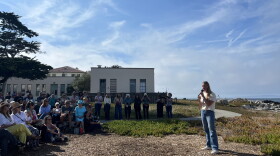 The Plaskett Fire started Wednesday, east of Los Burros Road and south of the growing Timber Fire. A record-breaking endurance athlete is swimming her way down the California Coast.
 -
 The Timber Fire in Big Sur has exceeded 2,000 acres, with four zones now evacuated. And, Central Coast leaders continue to oppose offshore oil drilling.
 -
 The county has issued evacuation orders for parts of the Big Sur area due to the Timber Fire. And, class is back in session for Monterey County kids. Despite immigration concerns, headcounts are high.
 -
 The Santa Cruz County Regional Transportation Commission is currently removing all county emergency call boxes. And, a state senator wants to protect Altadena from real estate speculators while residents rebuild, but her bill also raises concerns.
 -
 The Santa Lucia Conservancy works to train up a local workforce focused on reducing wildfire risk on the Central Coast. And, primary election candidates in Santa Cruz County discuss their plans for housing.
 -
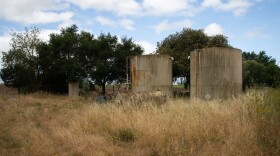 The Central Coast Regional Water Quality Control Board discusses providing alternative clean water to residents with water contaminated by agricultural fertilizers. And, a new study from UC Irvine shows that California doesn't follow global wildfire trends.
 -
 A vegetation fire is burning in southern Monterey County near Indian Valley road. The Monterey County Sheriff's office has evacuated nearby residents.
 -
 The fire started July 21 at 3 p.m. and is now 85% contained at 104 acres as of July 25.
 -
 With California suffering a drought emergency, this year's fire season could be intense. A Cal Fire battalion chief tells us how to stay informed and prepared.
 -
 In late 2019, Gov. Gavin Newsom announced a new program to dramatically speed up the state’s wildfire prevention work. But an investigation from CapRadio and The California Newsroom found the program hasn’t resulted in a single completed project.

© 2026 90.3 KAZU

Play Live Radio
Next Up:
0:00
0:00
Available On Air Stations


