-
 Para muchos residentes, limitar el uso de fertilizante nitrogenado en los campos del Valle de Salinas es necesario. Para ellos, la regulación es la única manera de detener la contaminación del agua subterránea.
 -
 Las verduras que se cultivan en el Valle de Salinas necesitan grandes cantidades de fertilizante. Pero esa demanda, junto con el hecho de que la mayoría de estos cultivos agrícolas tienen raíces poco profundas, hace que el exceso de nitrógeno llegue fácilmente al agua subterránea.
 -
 La principal causa de esta contaminación son los fertilizantes agrícolas. Cuando se aplica más fertilizante del que las plantas pueden absorber, el exceso de nitrato se disuelve en el agua.
 -
More than 14,000 people on the Central Coast face contaminated drinking water from nitrates in agricultural fertilizers. The regional water quality control board is searching for alternative water solutions.
-
The Salinas Valley produces more than half of the country’s lettuce. But the fertilizer used to help grow it has contaminated many of Monterey County’s drinking water wells.
-
Access to clean drinking water is considered a human right. But for some farmworker communities on the Central Coast, it’s not a reality.
-
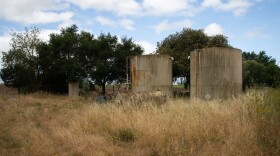 The Central Coast Regional Water Quality Control Board discusses providing alternative clean water to residents with water contaminated by agricultural fertilizers. And, a new study from UC Irvine shows that California doesn't follow global wildfire trends.
 -
 Arsenic and nitrates are among the most common contaminants found in private wells on the Central Coast. But not everyone who relies on these wells for…

© 2026 90.3 KAZU

Play Live Radio
Next Up:
0:00
0:00
Available On Air Stations


